Different Types of Braces: Which Option Is Right for You?
From traditional metal and discreet ceramic brackets to modern self-ligating and lingual systems, learn how different braces work to help you choose the ideal orthodontic treatment.

Dr. Siddharth Phadkule
Lead Orthodontist & Dentofacial Orthopedics Specialist · BDS, MDS (Orthodontics) · Mini Residency — South Korea
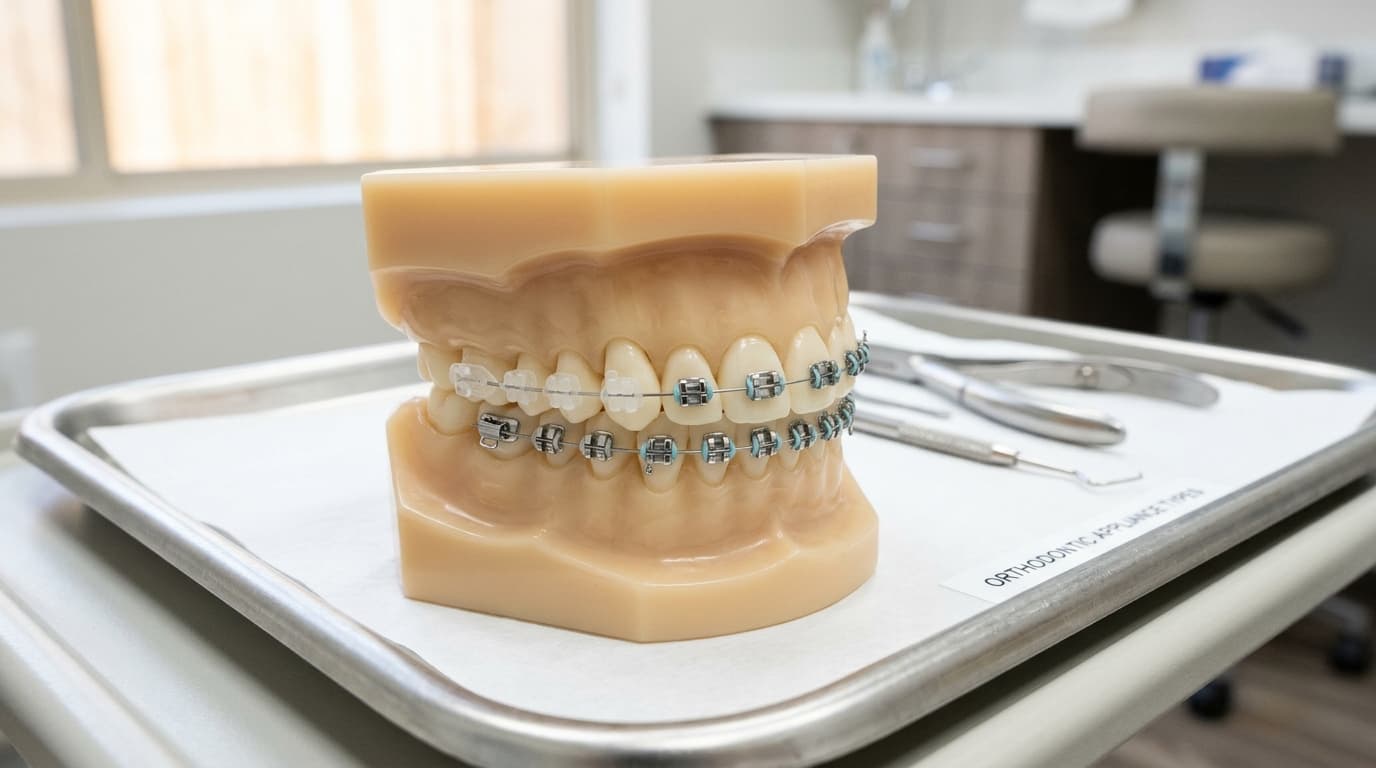
Educational dental model displaying traditional metal braces, clear ceramic brackets, and self-ligating orthodontic appliances
Table of Contents
- 01.Introduction to Orthodontic Braces
- 02.What Braces Do & How Teeth Move
- 03.Traditional Metal Braces
- 04.Ceramic Tooth-Colored Braces
- 05.Self-Ligating Braces
- 06.Lingual (Behind-the-Teeth) Braces
- 07.Comparison & Key Considerations
- 08.How to Choose the Right Braces
- 09.Frequently Asked Questions
- 010.Conclusion & Consultation
Introduction to Orthodontic Braces
Orthodontic treatment has evolved substantially over recent decades. While braces were once associated almost exclusively with bulky metal hardware worn during teenage years, modern orthodontics offers an array of sleek, discreet, and highly engineered appliances designed for children, teenagers, and adults alike.
Choosing to straighten your teeth is about far more than cosmetic appearance. Properly aligned teeth facilitate efficient chewing, improve speech articulation, reduce uneven enamel wear, and significantly lower the risk of tooth decay and gum inflammation by eliminating tight, hard-to-clean crevices.
Because every patient possesses a distinct bite relationship, jaw structure, lifestyle, and aesthetic preference, no single type of braces is universally best for everyone. Understanding the characteristics, advantages, and practical considerations of each option enables you to have an informed, productive consultation with your orthodontist.
What Braces Do & How Teeth Move
The biological mechanism behind orthodontic tooth movement
To understand why different bracket systems exist, it helps to understand the underlying biomechanics of orthodontic movement. Teeth are not fixed solidly into the jawbone like rigid nails; instead, each tooth root is suspended within its bony socket by a delicate, responsive network of collagen fibers known as the periodontal ligament (PDL).
When braces are fitted, small attachments called brackets are bonded to the enamel surface. An archwire is threaded through these brackets. As the archwire gently attempts to return to its pre-formed natural dental curve, it exerts continuous, controlled mechanical pressure on the teeth.
This gentle pressure initiates a biological cellular response: on the compression side of the tooth, bone tissue is gradually broken down and reabsorbed by specialized cells called osteoclasts. On the tension side where the ligament is stretched, new bone cells called osteoblasts lay down mineralized bone to stabilize the tooth in its new position. This natural remodeling cycle allows teeth to be guided gradually and safely into optimal alignment.
Clinical Insight
Orthodontic movement relies on light, continuous physiological force rather than heavy pressure. Applying gentle, steady force protects the tooth roots and periodontal ligament while allowing healthy bone regeneration.
Traditional Metal Braces
The dependable, time-tested standard in orthodontic alignment
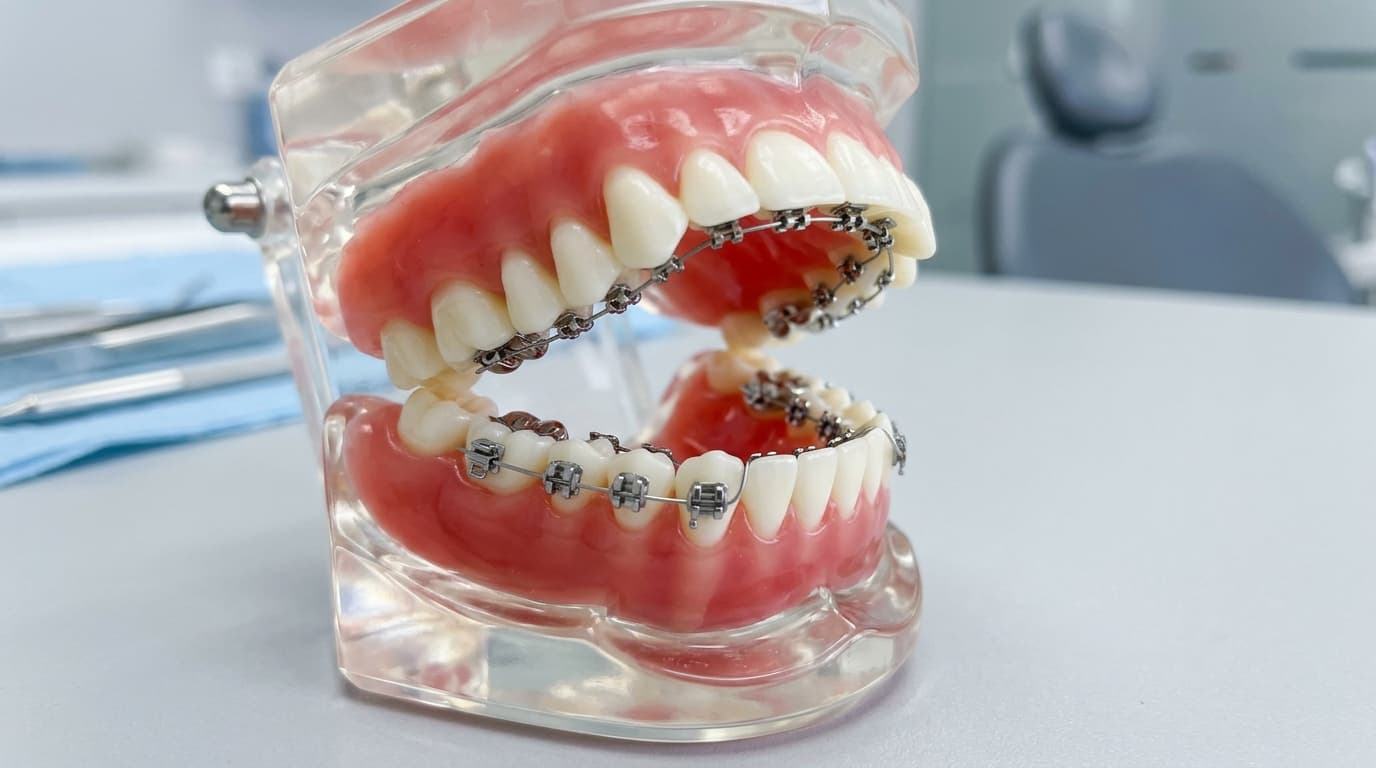
Traditional metal braces remain the most widely used orthodontic appliance globally. Modern metal brackets are manufactured from high-grade stainless steel or titanium alloys. Unlike older versions from past decades, today's metal brackets are markedly smaller, flatter, and contoured to minimize soft tissue friction against the inner cheeks and lips.
In traditional systems, the archwire is secured inside each bracket slot using tiny elastomeric rings called ligatures (often referred to as 'o-rings' or colored ties) or fine stainless steel ligature wire. Younger patients frequently enjoy personalizing their braces by picking different ligature colors at each routine adjustment visit, while neutral gray or silver ties provide a more subdued appearance.
- Exceptional durability and resistance to fracture or accidental breakage
- Handles virtually all degrees of dental crowding, spacing, rotations, and complex bite corrections
- Cost-effective option compared to aesthetic ceramic or customized lingual appliances
- Requires diligent oral hygiene to clean around brackets and elastic ligatures
Ceramic Tooth-Colored Braces
Discreet alignment for aesthetics-conscious teens and adults
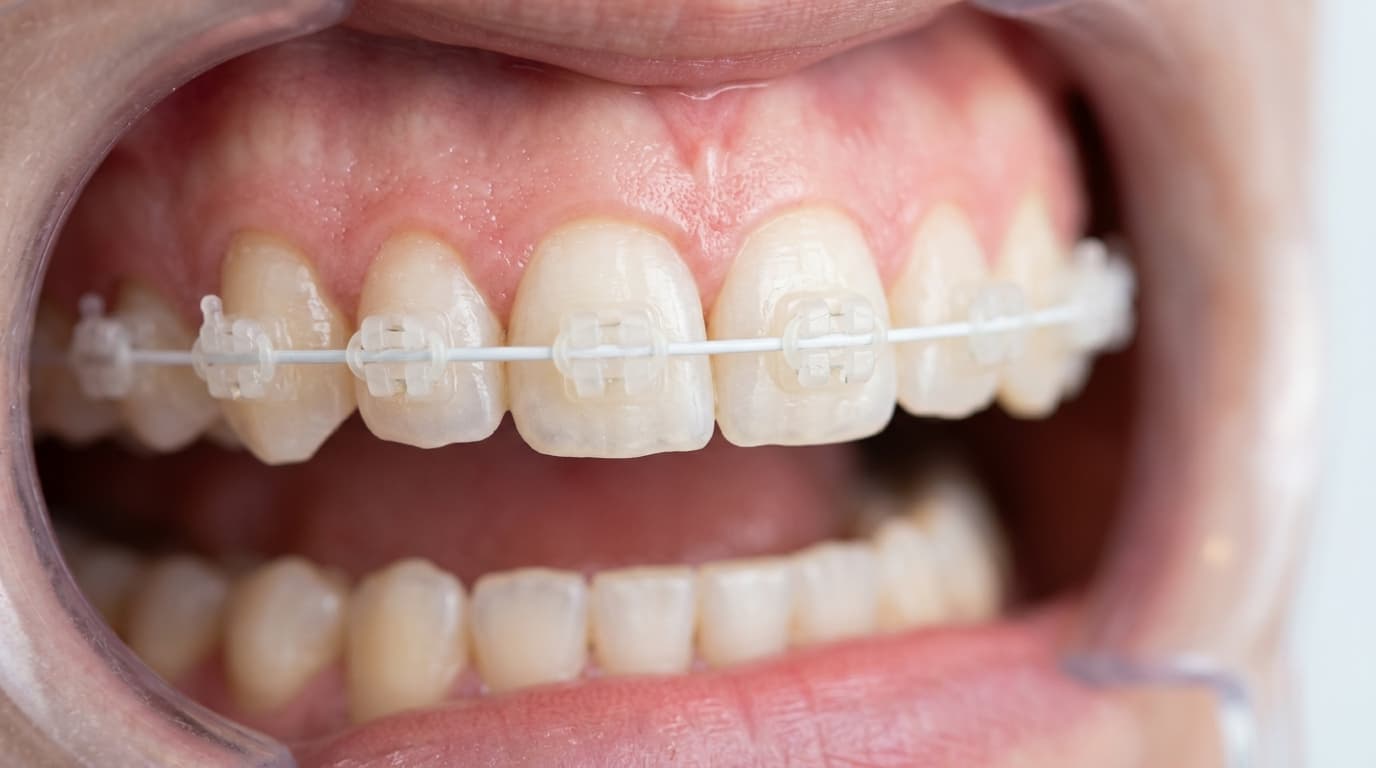
Ceramic braces function in the exact same mechanical manner as metal braces, but their brackets are crafted from translucent or tooth-colored polycrystalline alumina ceramic. Because the brackets blend seamlessly with the natural shade of your tooth enamel, they are significantly less noticeable from normal conversational distances.
Ceramic braces are particularly popular among working professionals, college students, and adults who require the powerful clinical control of fixed braces but prefer a subtler aesthetic footprint. Many orthodontists pair ceramic brackets with tooth-toned or frosted aesthetic archwires to further reduce appliance visibility.
- Significantly less noticeable than conventional stainless steel brackets
- Equally capable of treating moderate-to-severe malocclusions
- Modern high-density ceramic brackets do not stain, though clear elastic ties may discolor if consuming heavily pigmented foods (such as turmeric or coffee)
- Slightly more brittle than metal, requiring mindful chewing habits and occasional extra care during removal
Self-Ligating Braces
Modern clip-door mechanics designed for streamlined appointments
Self-ligating braces look similar to traditional braces at a casual glance, but they feature an innovative bracket design. Instead of using tiny rubber elastic bands or metal wires to tie the archwire into place, self-ligating brackets incorporate an integrated sliding door or specialized spring clip that holds the wire securely inside the slot.
Self-ligating systems are available in both metal and aesthetic ceramic materials. Because they eliminate elastic ligatures, there are fewer porous surfaces where food debris and plaque can accumulate, making daily brushing somewhat more straightforward for many patients.
- Built-in sliding clip or door replaces rubber elastic ties
- Reduced friction between wire and bracket during early leveling and alignment stages
- Wire changes and adjustments are often quicker chair-side since elastic ties do not need individual replacement
- Smoother bracket contours make daily plaque control and interdental cleaning more manageable
Lingual (Behind-the-Teeth) Braces
Completely invisible from the outside for total cosmetic discretion
Lingual braces are custom-manufactured fixed orthodontic appliances that attach to the inside (lingual or tongue-facing) surface of the teeth rather than the front. From the exterior, lingual braces are 100% invisible, making them the ultimate discreet option for patients who require fixed orthodontic mechanics without any visible hardware.
Because the inner contours of each tooth vary considerably more than outer surfaces, lingual brackets are typically custom-cast or 3D-milled specifically to fit the exact dental anatomy of each patient. Precision digital impressions and customized archwires ensure the appliances seat securely.
- Completely hidden from view during speaking and smiling
- Custom-engineered to match the precise lingual anatomy of your teeth
- Initial adjustment period requires patient patience as the tongue adapts to the brackets during speech and swallowing
- Involves higher laboratory fabrication costs and requires specialized orthodontic training
Comparison & Key Considerations
Balancing aesthetics, daily care, treatment versatility, and investment
When comparing different orthodontic appliances, four key factors usually influence patient decisions: visual appearance, daily maintenance requirements, clinical versatility, and overall treatment investment.
Review the comparison matrix below to understand how each system typically aligns with different patient priorities.
| Braces Type | Visibility | Durability | Hygiene Routine | Ideal For |
|---|---|---|---|---|
| Traditional Metal | Noticeable | Very High | Standard braces care with interdental brushes | Children, teens, complex skeletal or bite corrections |
| Ceramic Braces | Subtle / Low | High | Mindful care to avoid staining elastic ties | Teens and adults desiring discreet front-teeth appearance |
| Self-Ligating | Metal or Subtle | Very High | Easier cleaning due to absence of rubber bands | Patients seeking streamlined visits and easier hygiene |
| Lingual Braces | Completely Hidden | High | Specialized brushing around inner dental surfaces | Professionals, performers, and adults seeking zero visibility |
How to Choose the Right Braces
Key questions to discuss with your orthodontic specialist
Selecting the right orthodontic appliance is a collaborative decision between you and your orthodontist. During your consultation, your specialist evaluates clinical criteria alongside your personal lifestyle demands:
- Complexity of Bite: Severe deep bites, crossbites, or skeletal discrepancies may be managed more efficiently with specific fixed mechanics.
- Aesthetic Priorities: If your career or social comfort relies on a discreet appearance, ceramic brackets or clear aligners may be preferable.
- Commitment to Hygiene: Diligent brushers do well with any system, while those prone to plaque buildup may appreciate the easier-to-clean design of self-ligating brackets.
- Budget and Financial Planning: Metal braces generally offer the most affordable entry point, while custom ceramic or lingual solutions represent an investment in advanced aesthetics.
Orthodontist Recommendation
Never hesitate to ask your orthodontist to demonstrate physical models of different bracket types during your consultation. Seeing and feeling the brackets in person clarifies how they will look and feel on your teeth.
Conclusion & Consultation
Modern orthodontics provides safe, reliable, and aesthetically pleasing pathways to a straight, healthy smile. Whether you select traditional metal braces for their proven durability, ceramic braces for their discreet elegance, or modern self-ligating brackets for streamlined care, the most crucial factor in your orthodontic success is an accurate diagnosis and treatment plan guided by a qualified specialist.
At Latur Dental Clinic & Orthodontic Centre, Dr. Siddharth Phadkule (MDS Orthodontics) conducts thorough clinical evaluations using digital diagnostics to help you choose the ideal appliance for your unique smile goals.
Educational Information Disclaimer
This article is written for educational and informational purposes only and does not constitute a personal medical or dental diagnosis. Individual orthodontic suitability, biology, and treatment plans can only be established through an in-person clinical examination, dental X-rays, and diagnostic records by a qualified dental professional.
Frequently Asked Questions
Ready to Discuss Your Smile Goals?
Book an in-person consultation with Dr. Siddharth Phadkule at Latur Dental Clinic & Orthodontic Centre. We will walk you through your options with complete transparency.
Related Articles & Guides
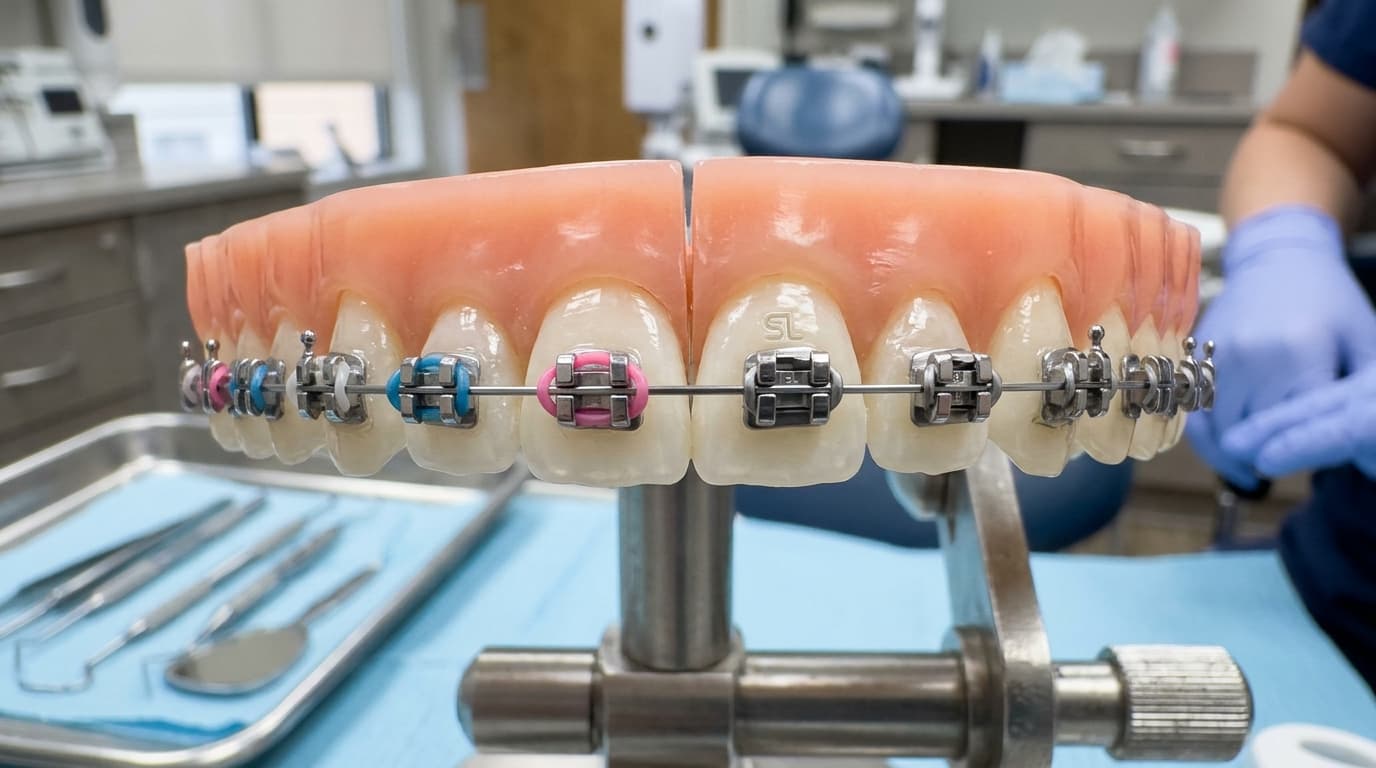 Braces Comparison
Traditional Braces vs Self-Ligating Braces: What's the Difference?
Examine how bracket mechanisms, archwire retention, chair-side adjustments, oral hygiene, and treatment biology compare between conventional braces and self-ligating systems.
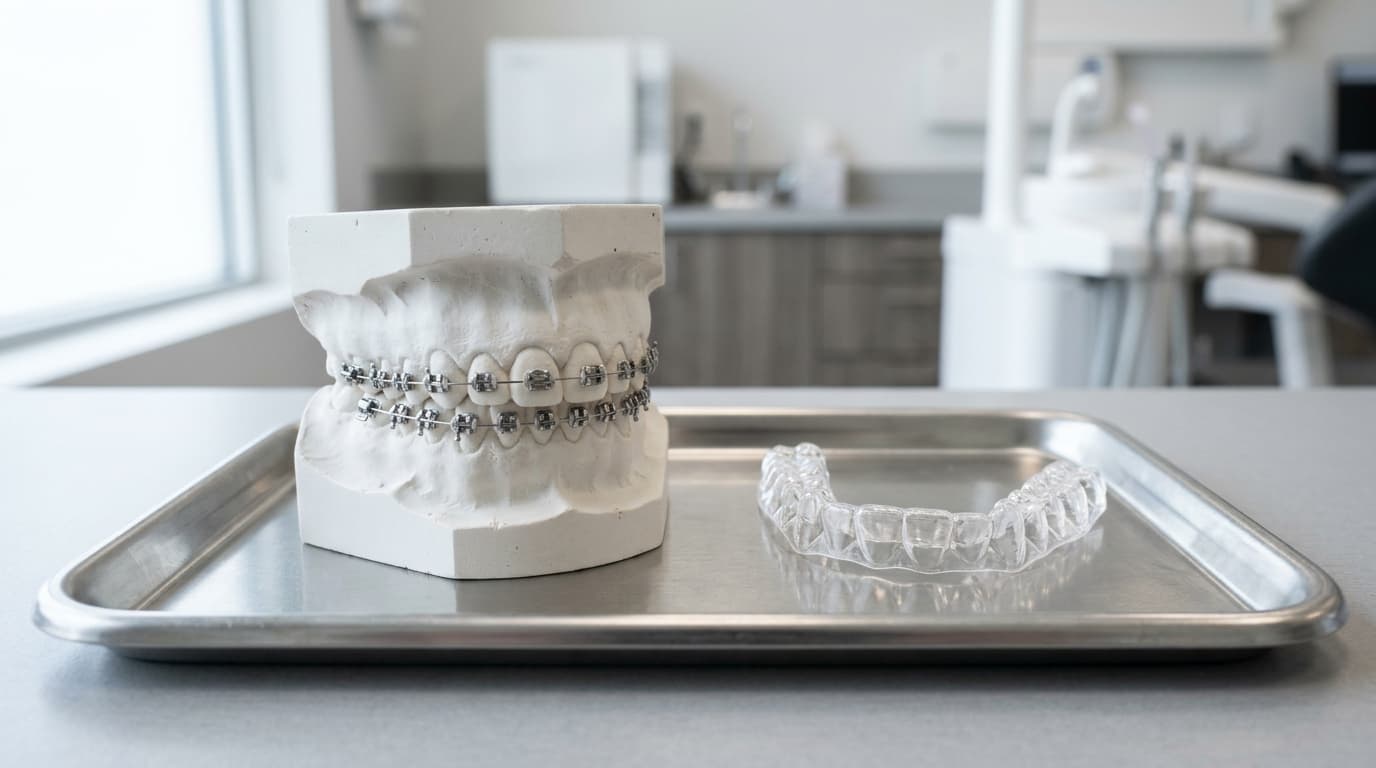 Orthodontic Treatment
Braces vs Clear Aligners: Which Is Better for Your Smile?
A comprehensive, medically balanced comparison between fixed orthodontic braces and removable clear aligners to help you make an informed decision about your orthodontic journey.
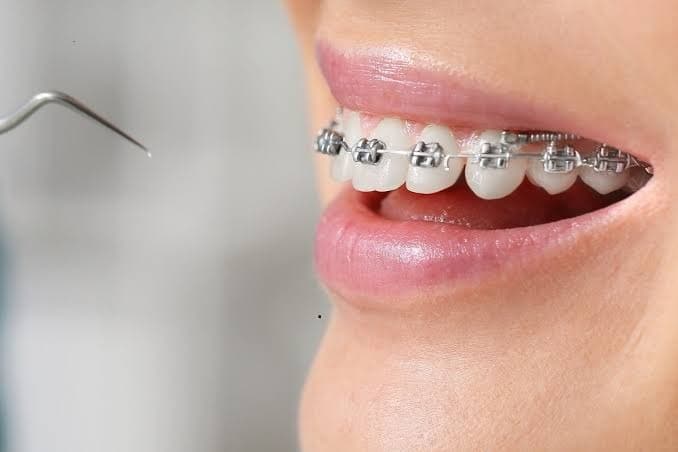 First-Time Patient Guide
Your First Braces Appointment: What to Expect
Nervous about your first braces consultation? Learn step-by-step what happens during an orthodontic assessment, diagnostic records, treatment planning, and costs.