Your First Braces Appointment: What to Expect
Nervous about your first braces consultation? Learn step-by-step what happens during an orthodontic assessment, diagnostic records, treatment planning, and costs.

Dr. Siddharth Phadkule
Lead Orthodontist & Dentofacial Orthopedics Specialist · BDS, MDS (Orthodontics) · Mini Residency — South Korea
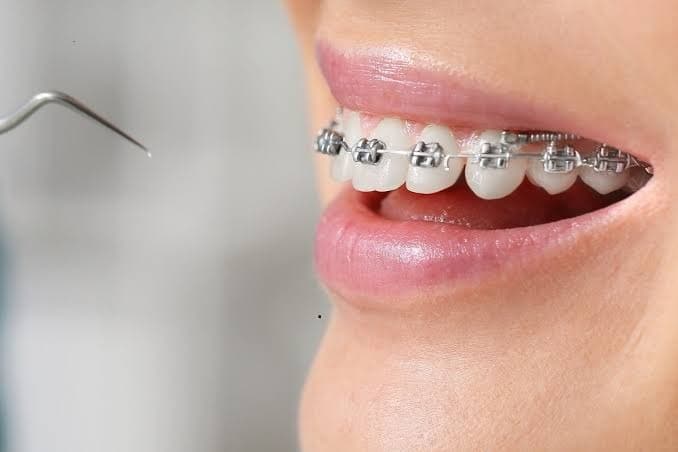
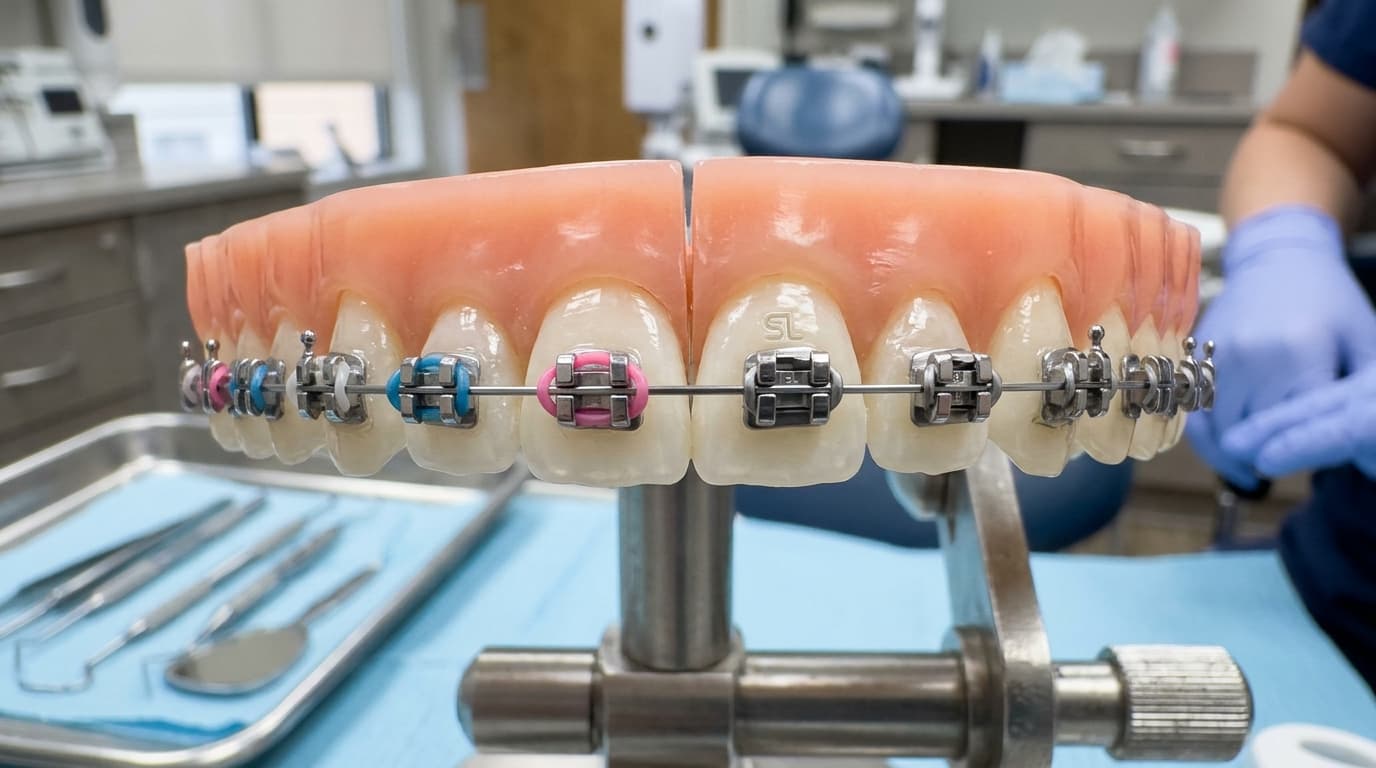
Close-up clinical view of orthodontic braces and archwire being checked with a dental instrument
Table of Contents
- 01.Why Your Initial Consultation Matters
- 02.Discussing Concerns & Treatment Goals
- 03.Reviewing Dental & Medical History
- 04.Comprehensive Clinical Examination
- 05.Photographs, Scans & X-Rays
- 06.Discussing Treatment Options
- 07.Understanding Timelines & Costs
- 08.Questions to Ask Your Orthodontist
- 09.What to Do Before Your Visit
- 010.Will Braces Be Fitted on Day One?
- 011.What Happens After the Consultation?
- 012.Frequently Asked Questions
- 013.Conclusion & Booking Your Visit
Why Your Initial Consultation Matters
Taking the first step toward orthodontic treatment is an exciting milestone. Whether you are a parent bringing your child for their first bite assessment, a teenager eager for a straighter smile, or an adult exploring discreet alignment options, feeling a little uncertain about what will happen is completely natural.
The initial orthodontic visit is primarily an educational, diagnostic discovery session. It is designed to evaluate your dental anatomy, understand your personal goals, and map out a clear, customized strategy for your smile—without any pressure or discomfort.
Discussing Concerns & Treatment Goals
Sharing what you would like to improve about your smile
Your visit begins with a conversation. The orthodontist will ask you what prompted your visit. You might be concerned about crowded front teeth, a noticeable gap, difficulty chewing certain foods, or a bite that feels uneven when your jaws close.
This discussion helps your doctor understand not only your clinical dental needs but also your personal priorities—such as whether you require a discreet appliance for work or have an upcoming life event (like a graduation or wedding) that influences your timeline.
Reviewing Dental & Medical History
Understanding the health foundation of your teeth and jaws
Before examining your teeth, your specialist will review your overall health history. Certain medical conditions, bone density factors, current medications, or allergies (such as nickel or latex sensitivities) can influence orthodontic planning.
The doctor will also review your dental history: prior fillings, root canals, oral injuries, wisdom teeth status, and habitual patterns such as nighttime teeth grinding (bruxism), mouth breathing, or tongue thrusting.
Comprehensive Clinical Examination
Evaluating your bite, teeth, gums, and facial symmetry
During the visual examination, the orthodontist will gently inspect several anatomical features:
- Dental Occlusion: How your upper and lower teeth meet when you bite down, checking for overbites, underbites, crossbites, or open bites.
- Spacing & Crowding: The amount of dental arch space available compared to tooth width.
- Jaw Joint (TMJ) Health: Palpating the temporomandibular joint in front of your ears to check for clicking, popping, or restricted movement.
- Gum & Bone Condition: Verifying that periodontal tissues are firm, pink, and free from active inflammation or bone loss.
- Facial Profile & Aesthetics: Evaluating how your lips, chin, and teeth relate to your overall facial profile during rest and a natural smile.
Photographs, Scans & X-Rays
Gathering precise diagnostic data when clinically indicated
To formulate an individualized treatment plan, your orthodontist requires specialized diagnostic records:
1. Digital Intraoral & Extraoral Photographs: High-resolution images of your teeth from multiple angles, alongside facial portraits at rest and smiling.
2. Orthodontic Radiographs (X-Rays): Typically an OPG (orthopantomogram) to view all upper and lower teeth, roots, and developing tooth buds, and a lateral cephalometric X-ray to analyze the relationship between your jaws and cranial bones.
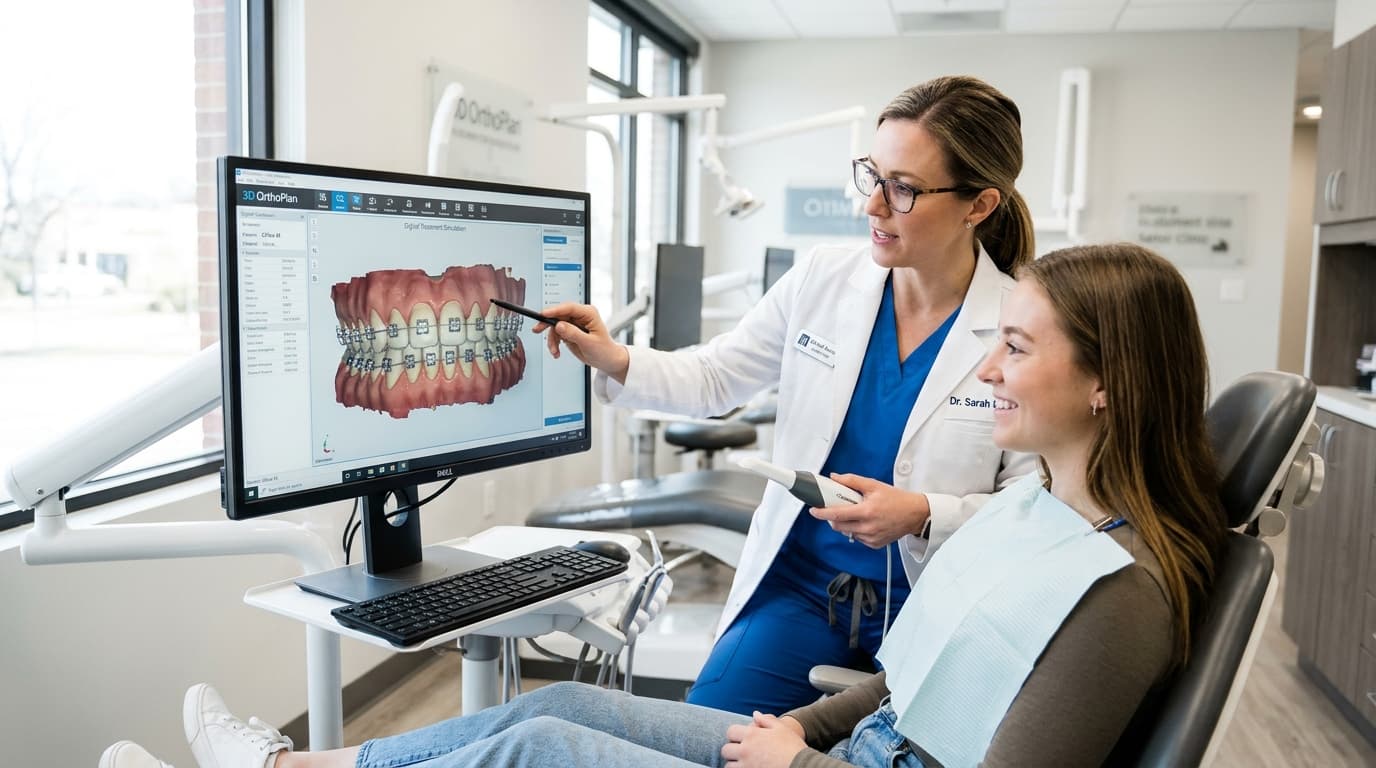
3. 3D Digital Intraoral Scans: A quick, comfortable handheld optical scanner captures an exact 3D digital model of your dental arches, replacing old-fashioned sticky impression molds.
Discussing Treatment Options
Exploring appliance choices tailored to your diagnosis
Once the diagnostic examination is complete, the orthodontist will explain their clinical findings and present suitable treatment modalities:
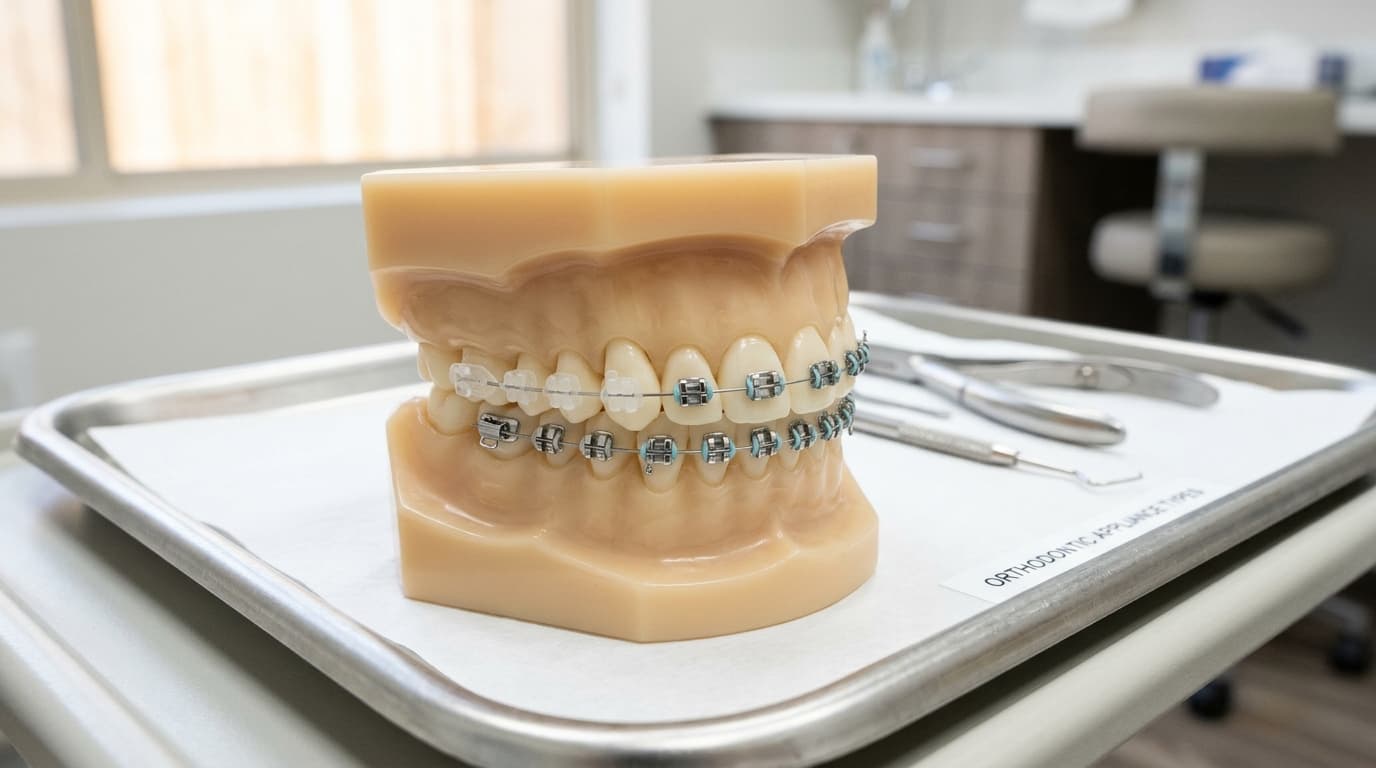
- Traditional Metal Braces: Dependable, high-strength alignment suitable for all malocclusions.
- Ceramic Braces: Tooth-colored brackets for a subtle, aesthetic appearance.
- Self-Ligating Braces: Clip-based brackets designed for streamlined hygiene and adjustments.
- Clear Aligners: Removable, virtually invisible trays for eligible mild-to-moderate alignment needs.
Understanding Timelines & Costs
Transparent estimates with no unexpected surprises
Your orthodontist will outline the estimated treatment timeline (typically between 12 and 24 months, depending on complexity) and the required appointment intervals.
You will also receive a transparent breakdown of the total treatment investment, including all adjustment visits, retainers, and flexible payment milestone arrangements.
Questions to Ask Your Orthodontist
A helpful checklist to bring to your consultation
To get the most out of your first visit, keep these practical questions handy:
- Which orthodontic appliances are clinically suitable for my specific bite?
- Will any tooth extractions be necessary, or can crowding be resolved with arch expansion?
- What is my anticipated treatment duration?
- How often will I need to visit the clinic for adjustments?
- What dietary or lifestyle adjustments will I need to make?
- What type of retainers will be required after active treatment completes?
What to Do Before Your Visit
Quick tips to prepare for a relaxed consultation
Preparing for your initial orthodontic appointment is simple and stress-free:
- Brush and floss your teeth before arriving so your mouth feels clean and fresh.
- Bring a list of any current medications and details of previous dental procedures.
- If you have previous dental X-rays from the past 6 to 12 months, bring them along.
- Write down your questions or concerns so you don't forget to ask during the visit.
Will Braces Be Fitted on Day One?
Clarifying a common patient misconception
A frequent question from first-time patients is: 'Will I walk out with braces on my teeth today?'
In the vast majority of cases, the answer is no. Orthodontics is a specialized, bio-engineered medical discipline that requires meticulous pre-planning. Fitting braces requires careful analysis of your X-rays and digital scans, calculating tooth movement vectors, and preparing a customized archwire sequence.
Furthermore, if you require routine dental cleaning, filling of an active cavity, or gum treatment, those general dental needs must be completed first so that teeth and gums are 100% healthy before braces are attached.
Your actual bracket bonding appointment is scheduled as a dedicated follow-up visit, typically lasting 60 to 90 minutes.
Important Clinic Clarification
Braces are rarely fitted on your first visit. The initial appointment is dedicated to clinical examination, diagnostic imaging, and personalized treatment planning. Bonding brackets takes place during a separate, dedicated appointment.
What Happens After the Consultation?
Moving from diagnosis to active smile transformation
Following your consultation, you can take your time to review the treatment plan, discuss options with your family, and ask any follow-up questions.
When you are ready to proceed, you will schedule your fitting visit. The orthodontist will clean and condition your enamel, precisely position each bracket, cure the adhesive with a gentle blue LED light, and thread your initial archwire—marking the official start of your journey to a confident smile.
Conclusion & Booking Your Visit
Your first braces appointment is an informative, welcoming step toward a healthier, more confident smile. There are no painful procedures, no high-pressure sales, and no guesswork—just a clear, clinical roadmap tailored specifically to you.
At Latur Dental Clinic & Orthodontic Centre, Dr. Siddharth Phadkule and our team are dedicated to making every visit comfortable, informative, and reassuring.
Educational Information Disclaimer
This article is written for educational and informational purposes only and does not constitute a personal medical or dental diagnosis. Individual orthodontic suitability, biology, and treatment plans can only be established through an in-person clinical examination, dental X-rays, and diagnostic records by a qualified dental professional.
Frequently Asked Questions
Ready to Discuss Your Smile Goals?
Book an in-person consultation with Dr. Siddharth Phadkule at Latur Dental Clinic & Orthodontic Centre. We will walk you through your options with complete transparency.
Related Articles & Guides
 Braces Guide
Different Types of Braces: Which Option Is Right for You?
From traditional metal and discreet ceramic brackets to modern self-ligating and lingual systems, learn how different braces work to help you choose the ideal orthodontic treatment.
 Braces Comparison
Traditional Braces vs Self-Ligating Braces: What's the Difference?
Examine how bracket mechanisms, archwire retention, chair-side adjustments, oral hygiene, and treatment biology compare between conventional braces and self-ligating systems.
 Dental Care in LaturAdd Your Image Here
Why Choose Latur Dental Clinic for Your Dental Care?
Explore why patients trust Latur Dental Clinic & Orthodontic Centre for specialist orthodontics, clear aligners, pain-free root canals, implants, and complete family dentistry in Latur.