Traditional Braces vs Self-Ligating Braces: What's the Difference?
Examine how bracket mechanisms, archwire retention, chair-side adjustments, oral hygiene, and treatment biology compare between conventional braces and self-ligating systems.

Dr. Siddharth Phadkule
Lead Orthodontist & Dentofacial Orthopedics Specialist · BDS, MDS (Orthodontics) · Mini Residency — South Korea
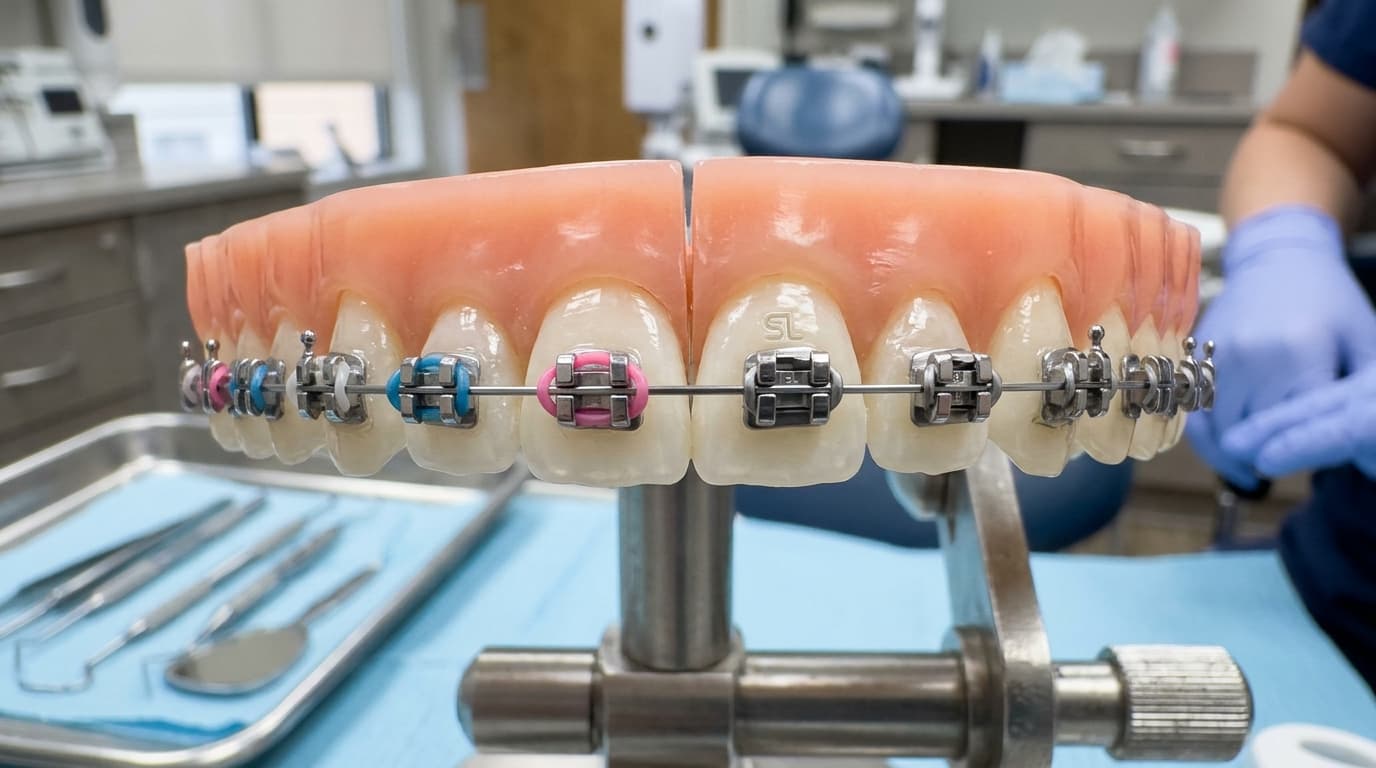
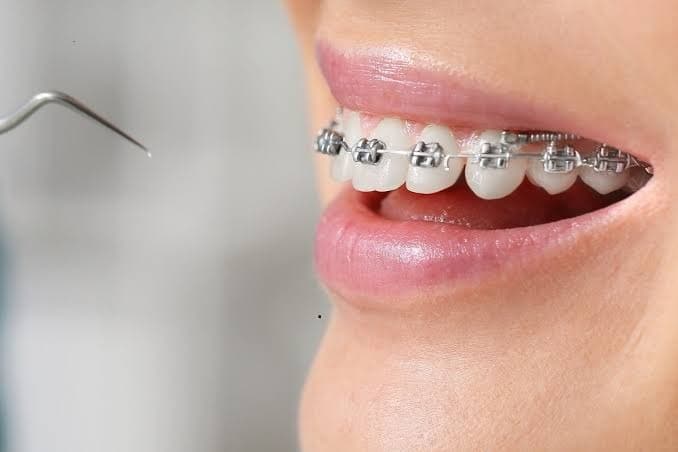
Detailed macro clinical comparison of traditional orthodontic brackets with elastic ligatures beside self-ligating brackets with sliding clips
Table of Contents
- 01.Understanding the Two Systems
- 02.What Are Traditional Braces?
- 03.What Are Self-Ligating Braces?
- 04.How Bracket Mechanisms Differ
- 05.Appointments & Adjustment Visits
- 06.Comfort & Oral Hygiene Considerations
- 07.Treatment Duration & Evidence-Based Facts
- 08.Cost Considerations
- 09.Who May Benefit from Each Option?
- 010.Detailed Comparison Table
- 011.Frequently Asked Questions
- 012.Conclusion & Expert Guidance
Understanding the Two Systems
When patients begin researching orthodontic options, one of the most common technical questions they encounter is the distinction between 'traditional' (or conventional) braces and 'self-ligating' braces.
Both appliances share the same fundamental goal: to guide crowded, rotated, or spaced teeth into healthy alignment and establish a balanced, functional bite. However, the precise mechanical engineering used to hold the archwire within each bracket is distinctly different.
To make the best decision for your dental care, it is essential to look past marketing claims and understand the genuine clinical and practical differences between these two bracket families.
What Are Traditional Braces?
Conventional twin brackets with elastic or wire ligatures
Traditional braces rely on a design that has been refined over more than a century of clinical orthodontics. Each tooth receives an orthodontic bracket containing a horizontal slot. To hold the flexible orthodontic archwire securely inside this slot, the orthodontist uses tiny elastomeric rings called ligatures (commonly known as rubber bands, o-rings, or colored ties) or fine stainless steel ligature wire.
These ligatures press the archwire firmly into the base of the bracket slot, allowing the wire's elastic memory to transmit corrective forces directly to the tooth root and surrounding bone.
- Widely available, thoroughly researched, and proven across millions of completed cases
- Offers colorful elastic ligatures that younger patients and teenagers often enjoy customizing
- Elastic rings gradually lose elasticity over 4 to 6 weeks and are routinely replaced at adjustment visits
What Are Self-Ligating Braces?
Engineered brackets with integrated sliding doors or spring clips
Self-ligating braces (popularized by system names such as Damon, Empower, or In-Ovation) eliminate the need for elastic or wire ligatures entirely. Instead, each individual bracket is engineered with a microscopic built-in mechanical door, sliding cover, or flexible spring clip.
When the orthodontist places the archwire into the bracket slot, the specialized door or clip simply slides or clicks shut, capturing the wire safely inside. There are two primary engineering designs: 'passive' self-ligating brackets, where the clip does not press against the wire, and 'active' brackets, where the spring clip exerts gentle pressure against the wire for fine rotational control.
- Integrated mechanical clip or sliding door holds the archwire securely
- Eliminates elastic rubber bands, creating a smoother outer profile
- Available in both robust metallic alloys and clear aesthetic ceramic materials
How Bracket Mechanisms Differ
Friction, wire engagement, and mechanical resistance
The mechanical difference between the two systems centers on friction at the bracket-wire interface. In traditional braces, the elastic ligature wraps tightly around the bracket wings and presses down on the archwire, generating a measurable amount of frictional resistance as the wire slides through the slots during tooth movement.
In passive self-ligating brackets, the sliding door creates a tubular channel through which the archwire can slide with lower initial frictional resistance during the early alignment stages. This permits smooth leveling of severely crowded teeth with light introductory wires.
However, as treatment progresses into the finishing and detailing stages—where precise three-dimensional root tipping and torque are required—the orthodontist uses larger, rectangular wires that fully engage the bracket slot in both systems.
Orthodontic Fact Check
Traditional braces use elastic or metal ligatures to hold the archwire. Self-ligating braces use a built-in clip or door. While self-ligating brackets exhibit less friction in early laboratory testing, biological tooth movement is ultimately governed by bone physiology.
Appointments & Adjustment Visits
Chair-side workflow and visit intervals
One of the clearest practical differences between the systems is the experience during routine clinic appointments:
With traditional braces, your orthodontist or orthodontic assistant must individually remove and replace each elastic ligature using specialized dental instruments at every adjustment appointment. While routine, this process takes several minutes per arch.
With self-ligating braces, the practitioner uses a dedicated handheld tool to slide open the built-in clips, swap or adjust the archwire, and click the clips closed. This mechanism frequently reduces total chair-side adjustment time, making appointments feel faster and more streamlined.
Additionally, because self-ligating clips do not suffer from the material degradation and elastic fatigue of rubber bands, appointment intervals can sometimes be spaced slightly further apart (such as 6 to 8 weeks rather than 4 to 6 weeks), depending entirely on the treatment stage and individual plan.
Comfort & Oral Hygiene Considerations
Plaque accumulation and daily flossing routines
Maintaining pristine oral hygiene is critical throughout any orthodontic journey. Both traditional and self-ligating systems require dedicated daily brushing and flossing, but their surfaces present different cleaning characteristics.
Elastic ligatures in traditional braces are porous rubber polymers. They can trap microscopic food particles, plaque biofilm, and oral bacteria around the bracket perimeter. Patients must use interdental proxy brushes and orthodontic flossers diligently after meals.
Self-ligating brackets have no elastic rings, presenting a smoother metallic or ceramic exterior with fewer microscopic crevices for plaque accumulation. Many patients report that self-ligating brackets are slightly easier to keep clean, and the absence of rubber rings reduces the likelihood of localized gum puffiness.
Regarding comfort: both systems exert gentle force to move teeth, and patients will experience a few days of mild soreness after initial placement or wire changes. Clinical studies have shown comparable overall comfort levels between both bracket types.
Treatment Duration & Evidence-Based Facts
What does clinical orthodontic research really show?
Commercial marketing sometimes implies that self-ligating braces always move teeth dramatically faster, cause zero discomfort, or eliminate the need for tooth extractions. As responsible healthcare providers, it is important to clarify what peer-reviewed orthodontic evidence demonstrates:
Extensive systematic reviews published by the American Journal of Orthodontics and Dentofacial Orthopedics (AJO-DO) and the Cochrane Database have consistently shown that overall treatment duration is primarily determined by individual biology, severity of malocclusion, and patient compliance—not by the choice between traditional and self-ligating brackets.
Both bracket types deliver equally outstanding, stable clinical outcomes when planned and monitored by an experienced orthodontic specialist. Treatment time is tailored to your unique anatomical response rather than a brand of brackets.
Medical Accuracy Notice
Self-ligating braces do not automatically guarantee faster treatment, fewer total appointments, or superior clinical results compared to traditional braces. Treatment time and appointment schedules depend on individual malocclusion, bone density, and customized treatment planning.
Cost Considerations
Understanding the financial investment of each technology
Self-ligating brackets involve intricate micro-mechanical manufacturing to build tiny, durable hinges and clips into millimeter-sized brackets. Consequently, the initial material and laboratory cost of self-ligating bracket sets is higher than that of conventional twin brackets.
Traditional metal braces remain the most economical orthodontic option. For patients prioritizing budget without compromising the final clinical result, conventional brackets provide outstanding value. For patients who value shorter chair-side appointments, fewer rubber ties, and easier brushing, self-ligating braces represent a worthwhile upgrade.
Who May Benefit from Each Option?
Matching bracket systems with patient priorities
You may prefer traditional braces if you: prioritize an economical treatment cost, have a child or teenager eager to customize their smile with colored ties, or have a straightforward malocclusion easily managed with standard mechanics.
You may prefer self-ligating braces if you: lead a demanding schedule and prefer quicker chair-side appointments, want slightly longer intervals between visits, struggle with plaque control around rubber bands, or prefer a smoother, tie-free bracket profile.
Detailed Comparison Table
Side-by-side feature comparison
Here is a side-by-side breakdown of traditional braces versus self-ligating braces across clinical and practical dimensions:
| Feature | Traditional Braces | Self-Ligating Braces |
|---|---|---|
| Wire Retention | Elastic rubber ligatures or stainless steel tie wires | Built-in sliding door or spring clip |
| Appearance | Visible brackets with colored or clear elastomeric ties | Sleek bracket profile with no rubber ties |
| Friction in Early Stages | Higher friction due to elastic band pressure | Lower initial friction with passive clip systems |
| Chair-side Adjustment Time | Longer (individual ties removed and replaced) | Shorter (clips quickly opened and closed) |
| Plaque Retention | Higher around porous rubber bands | Lower due to smooth metal/ceramic surfaces |
| Treatment Speed | Determined by biology and treatment plan | Determined by biology and treatment plan |
| Cost | Most affordable orthodontic option | Moderately higher appliance material cost |
Conclusion & Expert Guidance
Both traditional and self-ligating braces are exceptionally capable orthodontic instruments. The most decisive factor in your smile transformation is not the bracket hardware alone, but the diagnostic skill, biomechanical planning, and clinical oversight of your specialist orthodontist.
At Latur Dental Clinic & Orthodontic Centre, Dr. Siddharth Phadkule evaluates your facial profile, bone structure, and dental alignment to recommend the bracket system that best matches your personal lifestyle, aesthetic expectations, and budget.
Educational Information Disclaimer
This article is written for educational and informational purposes only and does not constitute a personal medical or dental diagnosis. Individual orthodontic suitability, biology, and treatment plans can only be established through an in-person clinical examination, dental X-rays, and diagnostic records by a qualified dental professional.
Frequently Asked Questions
Ready to Discuss Your Smile Goals?
Book an in-person consultation with Dr. Siddharth Phadkule at Latur Dental Clinic & Orthodontic Centre. We will walk you through your options with complete transparency.
Related Articles & Guides
 Braces Guide
Different Types of Braces: Which Option Is Right for You?
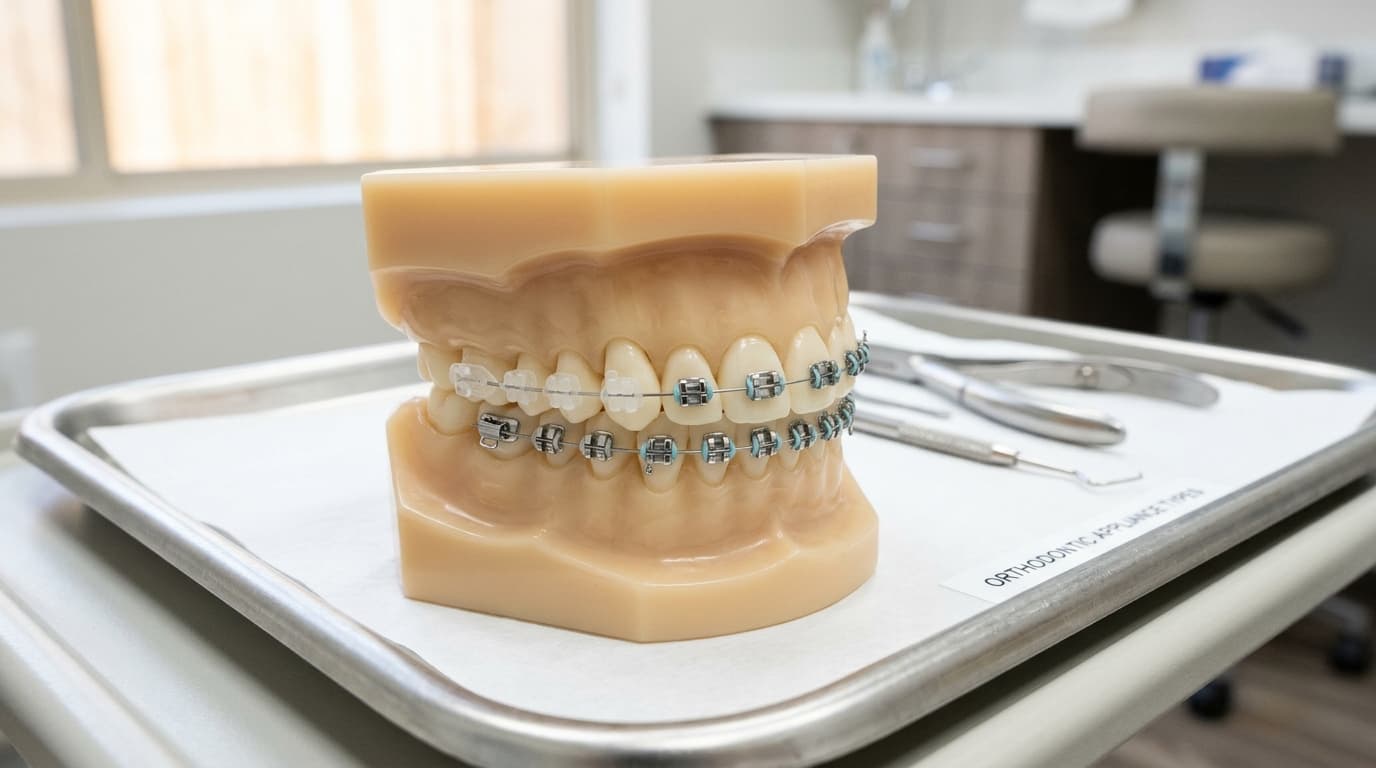
From traditional metal and discreet ceramic brackets to modern self-ligating and lingual systems, learn how different braces work to help you choose the ideal orthodontic treatment.
 Orthodontic Treatment
Braces vs Clear Aligners: Which Is Better for Your Smile?
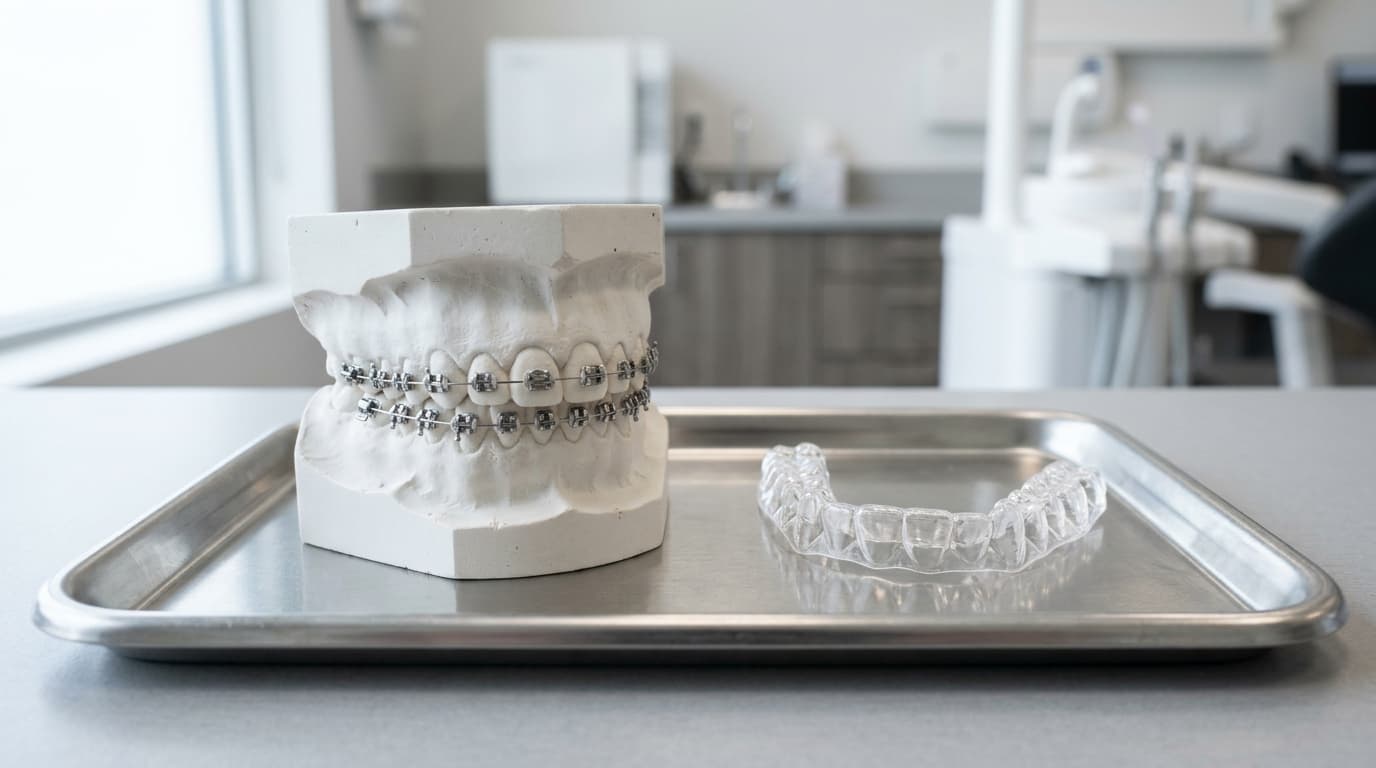
A comprehensive, medically balanced comparison between fixed orthodontic braces and removable clear aligners to help you make an informed decision about your orthodontic journey.
 First-Time Patient Guide
Your First Braces Appointment: What to Expect
Nervous about your first braces consultation? Learn step-by-step what happens during an orthodontic assessment, diagnostic records, treatment planning, and costs.